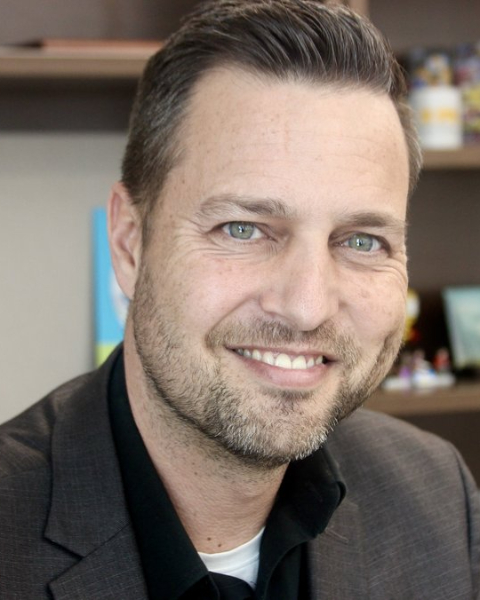
Chief Executive Officer Above and Beyond Family Recovery Center
Amid rising homelessness, workforce strain, and limited access to treatment, two organizations have built breakthrough models that expand addiction recovery services while eliminating financial barriers for patients. This session explores how inpatient and outpatient providers in Nashville and Chicago leveraged innovative funding (including affordable housing tax credits, diversified payer streams, and mission‑aligned partnerships) to create sustainable, debt‑free growth. Speakers will share how meeting patients where they are, integrating long‑term housing, and designing flexible recovery pathways led to exceptional outcomes, including incredible long‑term recovery success rates. Attendees will learn practical strategies for increasing organizational capacity, strengthening financial resilience, and building cross‑sector collaborations that unlock new ways to serve vulnerable populations.
Learning Objectives:
Identify scalable funding strategies (including partnerships with for‑profit developers) to expand services without increasing patient cost or organizational debt.
Explain how integrated care models (detox-residential-transitional living-affordable housing-outpatient) improve long‑term recovery outcomes.
Apply actionable approaches for increasing census, strengthening workforce retention, and designing patient‑centered programs for individuals experiencing homelessness, reentry, or complex SUD needs.
Meet the Street: Learn how opening up service flexibility to be walk-in can inform treatment programming and strengthen patient retention
Redefine Recovery: Learn examples of how providers can build programs more uniquely tailored and supportive to the communities they serve.
Change the Way We View “Success” in Recovery: restoring balance and refocusing work, life and family relationships